
Bespoke Woven Labels: A Guide for Fashion Brands (2026)
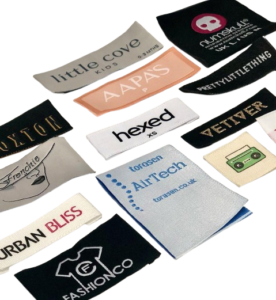
Premium garment branding is a precise engineering challenge where the difference between a high-street finish and a luxury aesthetic is measured in denier counts and weave density. You understand that a blurred logo or a frayed edge can undermine years of brand development, particularly when managing the complex requirements of international garment production. Sourcing custom woven labels that maintain high-definition clarity whilst meeting 2026 sustainability standards is no longer just a design choice; it’s a critical logistical necessity for any serious fashion house.
This guide provides the technical expertise and global sourcing strategies you need to procure premium labels that survive industrial laundering and align with GRS-certified environmental goals. We’ll help you navigate the confusion of technical specifications and the pressure of unreliable lead times from overseas manufacturers. You’ll learn how to secure a stable supply chain that delivers quality and compliance across every factory location.
We’ll examine the nuances of high-density damask weaves, the impact of the latest OEKO-TEX PFAS restrictions, and the specific material choices that elevate your brand’s tactile experience. From understanding the CPSC eFiling mandates to mastering recycled yarn surcharges, this is your roadmap to professional garment identification in a shifting global market.
Key Takeaways
- Master the technical relationship between weave density and denier to ensure your logo maintains high-definition clarity across all garment sizes.
- Select the appropriate fold style to guarantee that your branding integrates seamlessly into the garment without compromising wearer comfort or aesthetic precision.
- Align your production with 2026 environmental standards by sourcing custom woven labels crafted from GRS-certified recycled polyester.
- Optimise your international supply chain by utilising a manufacturer with a UK-based head office and strategic distribution hubs across China, Turkey, Pakistan, Bangladesh, Sri Lanka, Hong Kong and India.
Evaluating Quality: Why Custom Woven Labels Define Your Brand Identity
A garment’s journey through the global supply chain is complex, but its identity is often anchored by a single, permanent signature. For established fashion houses and emerging designers alike, procuring premium custom woven labels is an investment in brand longevity. Unlike the external branding found on swing tickets or packaging, a woven label remains attached to the piece for its entire lifecycle. It serves as a constant reminder of the garment’s origin and quality, acting as a technical “seal of approval” that survives long after the initial purchase.
The psychological impact of this small component shouldn’t be underestimated. When a consumer feels the texture of a label against their skin, they’re subconsciously assessing the brand’s attention to detail. A scratchy, poorly finished edge suggests cost-cutting; a soft, high-definition damask weave signals luxury. This tactile experience is why sophisticated brands view their branding trims, including neck tapes and branded elastic, as a holistic ecosystem rather than isolated components. Whilst printed variants often serve temporary or low-cost purposes, Textile labels that are woven into the fabric represent a commitment to craftsmanship that resonates with the end-user.
The Longevity Factor: Withstanding Industrial Laundering
Durability is the primary reason why woven structures are the industry standard for high-end apparel. Because the design is integrated into the fabric through interlaced threads, it won’t fade, crack, or peel like ink-based alternatives. Our manufacturing process utilises heat-set edges to prevent unravelling, ensuring the label remains crisp even after hundreds of wash cycles. Most modern labels utilise high-tenacity polyester or cotton blends. These materials are chosen specifically for their ability to maintain shape and colour under the stress of industrial laundering and high-temperature drying. This resilience ensures that your branding remains legible and professional for years, preserving the secondary market value of the garment.
Woven vs. Printed: Making the Commercial Choice
The decision to specify custom woven labels often comes down to the desired prestige of the finished product. Printed labels, whilst useful for complex photographic gradients or budget-conscious wash care instructions, lack the three-dimensional depth of a woven finish. In sectors like tailored menswear, luxury knitwear, and premium denim, a woven label is a non-negotiable requirement. From a B2B perspective, bulk production of woven labels offers significant commercial advantages. Once the looms are set to your specific technical requirements, the cost-per-unit for large-scale orders becomes highly efficient. This allows brands to maintain a premium aesthetic across global production hubs without compromising their manufacturing margins.
The Technical Buyer’s Guide to Weave Selection: Damask, Satin, and Taffeta
Technical procurement in the garment industry requires a deep understanding of the loom’s capabilities. For 2026, three primary weave structures dominate the market: damask, satin, and taffeta. Your choice isn’t merely aesthetic; it dictates the label’s durability and its ability to render complex branding. Central to this decision is the “denier” of the thread, which measures the linear mass of the yarn. A lower denier indicates a finer thread. This allows for a higher thread count within a fixed area, directly impacting the clarity of your logo and the softness of the finished product against the wearer’s skin.
Thread count is the metric that separates standard branding from premium finishes. High-definition looms can pack thousands of interlaced threads into a single centimetre, ensuring that even the most intricate serif fonts remain legible. Whilst thread count provides detail, the weave structure determines the finish. You must choose between matte, non-reflective surfaces or high-lustre, light-catching textures based on your brand’s visual language. If you’re unsure which density suits your specific artwork, our team provides bespoke technical consultation to ensure your branding translates perfectly from screen to loom.
High-Definition Damask: The Industry Standard
Damask is the most versatile weave for high-street fashion, offering a balanced matte finish and superior detail. Most premium brands specify 50-denier or 80-denier threads for their custom woven labels. The 50-denier option is particularly effective for intricate logos with fine lines or small typography. We utilise a “high-density” weave technique that packs more threads into every square centimetre. This results in a smooth, non-itchy finish that feels substantial yet soft. This density ensures that colours remain vibrant and the weave remains opaque, even when applied to dark fabrics.
Satin and Taffeta: Lustre vs. Utility
Satin weaves are defined by their high-lustre, silky surface, making them the preferred choice for eveningwear, lingerie, and luxury bridal collections. The weave structure exposes more of the thread surface, creating a distinctive shine that complements delicate fabrics. Conversely, taffeta offers a cost-effective, utilitarian solution. It’s a plain-weave construction that is exceptionally durable. This makes it ideal for workwear, outerwear, or hidden labels where longevity is prioritised over tactile luxury. When selecting between these, consider the garment’s price point and the FTC labeling requirements for fibre content, which may influence the base material choice.
Mastering Fold Styles and Application Methods for Professional Finishes
Establishing a professional finish requires more than just high-definition weaving. The fold style you select is as critical as the weave density for successful garment integration. It dictates how the label sits against the fabric and how it interacts with the wearer’s body. If a fold is poorly specified, it can lead to distorted branding or physical discomfort. Designers must account for technical “sew-in” space and seam allowances during the initial artwork phase to ensure the finished piece meets industrial standards.
The choice of fold directly impacts the efficiency of the sewing process at the factory level. Automated stitching machines require precise fold consistency to maintain high throughput across thousands of units. Primary fold types include flat, centre, end, mitre, and Manhattan styles. Each serves a specific functional purpose. When specifying fold styles for 2026 collections, manufacturers must also consider material integrity. Labels produced under the Global Recycled Standard (GRS) ensure that even complex folds maintain their structural stability whilst meeting ethical procurement targets. By selecting the correct fold for your custom woven labels, you facilitate a smoother production run and a more durable final product.
Centre Folds and End Folds: Versatility in the Neckline
The centre fold is the dominant choice for t-shirts, hoodies, and sweatshirts. It allows for a double-sided finish where the brand logo sits on the front and sizing or wash care instructions are placed on the reverse. This configuration allows you to maximise the utility of a single label. End folds, where the left and right edges are tucked behind, provide a slightly raised, “3D” look. This style is the standard for premium branding in tailored shirts and luxury knitwear. It offers a clean, finished appearance that hides raw edges and provides a more sophisticated tactile experience for the end-user.
Mitre Folds and Hem Tags: Subtle Branding Details
Mitre folds are an elegant “loop” solution often used for hanging garments or as decorative neck details. The ends are folded at a 45-degree angle, allowing the label to be sewn into a single seam point. This creates a soft loop that is less intrusive than a flat label. Hem tags have become a staple in casualwear, specifically for beanies and the bottom hems of jersey tops. These external branding details are vital for increasing brand recall in the contemporary streetwear sector. By placing custom woven labels in visible, external locations, brands can leverage their logo as a primary design feature rather than just a functional requirement.
Sustainable Sourcing: Recycled Materials and Ethical Compliance in 2026
The fashion industry’s transition toward circularity has transformed garment trims from minor details into critical components of a brand’s Environmental, Social, and Governance (ESG) strategy. By 2026, the demand for sustainable custom woven labels has moved beyond a niche preference to a foundational requirement for international retailers. This shift is driven by both consumer pressure and tightening textile regulations across Europe and North America. Procurement teams now prioritise rPET (Recycled Polyester) over virgin materials to reduce carbon footprints and align with global circular economy targets. This evolution also extends to the hidden elements of label production, with a significant move away from virgin plastics in label backings and synthetic adhesives.
Utilising rPET allows brands to maintain the high-definition quality of traditional damask weaves whilst diverting plastic waste from landfills. These recycled yarns offer identical performance characteristics to their virgin counterparts, including resistance to fading and industrial laundering. Integrating these materials into your supply chain demonstrates a commitment to transparency that resonates with modern consumers. If you are ready to transition your branding to more sustainable materials, you can request samples of our recycled trims to evaluate their texture and durability firsthand.
GRS-Certified Woven Labels: Verifiable Sustainability
The Global Recycled Standard (GRS) is the definitive benchmark for 2026, providing a rigorous framework for verifying recycled content. It doesn’t just look at the material; it tracks the entire supply chain from the recycling point to the final branded product. This certification ensures that social and environmental practices are maintained at every stage of manufacturing. For fashion brands, the ability to claim “100% recycled trims” to consumers carries significant marketing value and builds long-term trust. Compass Labels Group provides fully traceable GRS-certified woven labels to support your brand’s ethical compliance goals.
Natural Fibre Alternatives: Organic Cotton and Bamboo
Whilst recycled polyester is the industrial standard for durability, natural fibre alternatives like organic cotton and bamboo serve specific market sectors. Organic cotton custom woven labels are the preferred choice for babywear and sustainable luxury collections where a soft, matte, and hypoallergenic finish is essential. These materials offer a distinct, earthy aesthetic that aligns with natural fabric garments. However, technical buyers must note that natural fibres have limitations regarding logo detail. They cannot match the ultra-fine denier counts of polyester, which may result in slightly softer edges for complex artwork. We recommend matching your eco-material choice to the base garment fabric to ensure consistent shrinkage rates and a cohesive tactile experience.
Procurement Strategy: Managing Lead Times and Global Wholesale Supply
High-volume garment production demands a procurement strategy that prioritises supply chain resilience over mere unit cost. For fashion brands operating on a global scale, the logistics of sourcing custom woven labels must be as sophisticated as the branding itself. A strategic partnership with a manufacturer established in 1987 that maintains a UK head office whilst operating global production hubs ensures technical precision and local accessibility. This structure allows for a “call-off” ordering system, where labels are produced in bulk and stored for immediate release to international factories. This approach eliminates the risk of branding shortages stalling a production line.
We act as an integrated engine within your supply chain, providing the stability required to scale your brand internationally. By managing the inventory of your trims centrally, we ensure that every factory location has access to identical branding components. This reduces the administrative burden on your procurement team and provides a single point of accountability for your entire branding suite, from neck tapes to custom woven labels.
Global Distribution: Supplying Your International Factories
Strategic distribution hubs in China, Turkey, Pakistan, and India enable us to supply international factories directly. Manufacturing your trims in the same region as your garments significantly reduces your brand’s carbon footprint and shipping overheads. It also streamlines the customs process, ensuring that your branding reaches the stitching floor without bureaucratic delays. Maintaining quality consistency across these diverse production sites is paramount. We utilise standardised technical specifications and centralised quality control to ensure that a label produced in Istanbul matches the exact colour and weave density of one manufactured in Guangzhou.
Managing Lead Times and Sampling for 2026 Collections
Managing lead times for 2026 collections requires a proactive approach to the sampling cycle. Typically, a bespoke damask sample is completed within 3 to 5 days, with bulk delivery following 7 to 12 working days after approval. Whilst digital proofs are efficient for initial layout checks, we always recommend a physical sample for final colour matching. This prevents discrepancies caused by screen calibration and ensures the tactile finish meets your expectations. To begin your next production cycle, you can enquire about bespoke wholesale pricing and lead times with Compass Labels Group. Our methodical approach to sampling and distribution ensures your brand’s identity is never compromised by logistical friction.
Securing Your Brand’s Technical Identity for 2026
Securing your brand’s technical identity for 2026 requires a balance of aesthetic precision and logistical stability. You’ve seen how the selection of high-definition damask and strategic fold styles can elevate a garment’s perceived value. You also recognise that GRS-certified materials are no longer optional but a fundamental requirement for ethical compliance. Managing these variables across international factories is a complex operational challenge that demands a seasoned manufacturing partner.
Compass Labels Group has been manufacturing and supplying global brands since 1987. We provide the sophisticated behind-the-scenes engine your supply chain needs to thrive. With GRS-certified sustainable production facilities and a robust global distribution network across China, Turkey, and India, we ensure your custom woven labels are delivered with absolute consistency. Our UK-based technical consultants are ready to help you navigate the nuances of 2026 procurement.
Contact Compass Labels Group for a Bespoke Wholesale Quote to streamline your international production. We look forward to supporting your brand’s growth through precision manufacturing and global operational excellence.
Frequently Asked Questions
What is the minimum order quantity (MOQ) for wholesale custom woven labels?
Wholesale minimum order quantities vary based on the technical complexity of the weave and the specific material requirements. For most standard production runs, we facilitate industrial-scale volumes that ensure cost-efficiency across your global supply chain. This approach allows fashion brands to maintain a consistent stock of branding trims for their international factories. Please contact our technical team to discuss the specific requirements for your collection and receive a bespoke wholesale quotation tailored to your volume.
How do I ensure my brand colours are matched accurately in a woven label?
We match brand colours using the Pantone Matching System (PMS), specifically focusing on Solid Coated references to ensure loom precision. Whilst digital proofs provide a layout overview, we recommend a physical sample to verify the thread’s interaction with light. This process guarantees that your custom woven labels maintain brand consistency across different lighting conditions and fabric backgrounds. Our technicians provide expert consultation to select the closest thread match for your specific brand identity.
What is the difference between 50-denier and 100-denier damask?
The primary difference lies in the thread thickness and the resulting weave density. 50-denier threads are finer, allowing for a higher thread count and greater detail in intricate logos or small typography. 100-denier threads are thicker and produce a slightly more textured finish, which is often suitable for larger, bolder branding. Most premium fashion houses specify 50-denier or 80-denier damask for a softer tactile feel and superior high-definition clarity in their garment identification.
Can I include wash care symbols on a woven brand label?
You can certainly include wash care symbols on your branding. This is most effectively achieved using a centre-fold configuration, where the primary logo sits on the front and the technical care instructions are woven onto the reverse. Alternatively, many brands choose to specify separate wash care labels to ensure compliance with international textile regulations. This dual-label approach preserves the aesthetic integrity of the main brand signature whilst providing essential functional information for the end-user.
How long does it take to manufacture and ship custom woven labels globally?
Our global manufacturing network is designed for high-efficiency throughput. Typically, bespoke samples are produced within 3 to 5 days. Following sample approval, bulk production and global delivery usually take between 7 and 12 working days. By utilising our distribution hubs in Turkey, China, and India, we can supply your international factories directly. This reduces transit times and ensures your production line remains operational without delays caused by branding shortages or logistical friction.
Are recycled woven labels as durable as virgin polyester labels?
Recycled polyester (rPET) labels offer the same industrial durability and colourfastness as virgin polyester alternatives. They are engineered to withstand repeated industrial laundering and high-temperature drying without fraying or fading. By choosing custom woven labels made from rPET, you align with 2026 sustainability standards without compromising on the premium finish or longevity of your trims. These labels are an excellent choice for brands looking to meet rigorous ESG goals whilst maintaining quality.
What artwork file formats are required for woven label production?
We require high-resolution vector files to ensure the highest level of precision during the weaving process. Preferred formats include Adobe Illustrator (AI), PDF, or EPS files with all fonts converted to outlines. This ensures that our looms can accurately interpret the fine lines and specific geometries of your logo. If you only have raster images, they must be at least 300 DPI, though vector files remain the industry standard for achieving high-definition results on the loom.
Do you provide GRS certification for sustainable woven label orders?
We provide fully traceable GRS-certified options for all sustainable label requirements. The Global Recycled Standard ensures that the recycled content in your trims is verified throughout the entire supply chain, from the raw material source to the finished product. This certification also mandates strict social and environmental practices at our production facilities. Providing GRS documentation allows your brand to make verifiable sustainability claims to consumers and meet the tightening regulatory requirements of the 2026 textile market.